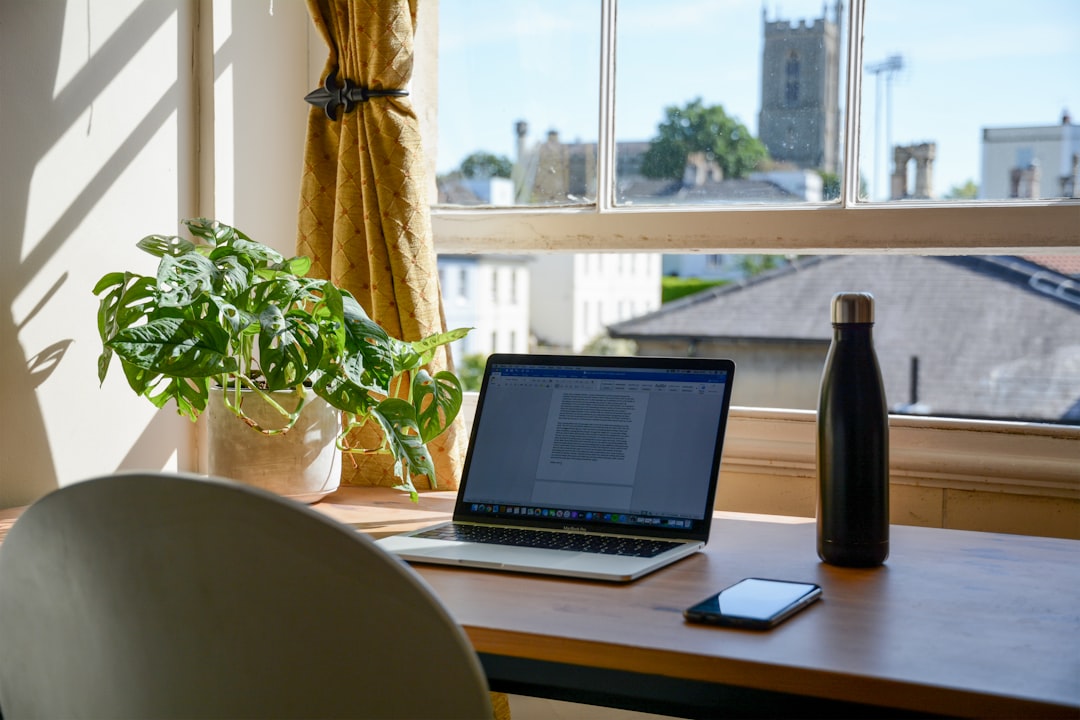
Home Office Deduction: Simplified vs. Regular Method Explained
Working from home has a hidden financial upside: you may be able to deduct a portion of your housing costs as a business expense. The home office deduction is one of the most valuable write-offs for freelancers and self-employed workers — and one of the most misunderstood.
Here’s how it works, which method saves you more, and what the IRS actually requires.
Who Qualifies?
To claim a home office deduction, your workspace must meet two IRS criteria:
Regular and exclusive use. You must use the space regularly for business and for business only. A dedicated office room qualifies. A kitchen table where you sometimes work does not. If the space also functions as a guest bedroom or playroom, it’s out.
Principal place of business. Your home office must be your main place of business, or a place where you meet clients or customers in the normal course of business. If you work from home full-time, this is easy to satisfy. If you also rent office space elsewhere, it gets more complicated.
One clarification: “exclusive use” doesn’t mean the room is physically inaccessible to others — it means you don’t use it for personal activities. A dedicated room with a door you close is the safest setup.
The Two Methods
Once you establish you qualify, you pick one of two calculation methods.
Simplified Method
How it works: Deduct $5 per square foot of your home office, up to a maximum of 300 square feet. That caps the deduction at $1,500 per year.
Best for: Renters or homeowners with small offices, or anyone who wants a clean, audit-proof deduction without doing math.
Pros:
- No need to track actual home expenses
- No depreciation recapture when you sell your home
- Simple to calculate and document
Cons:
- Hard capped at $1,500 — may be less than your actual costs
- You can’t carry forward losses under this method if the deduction exceeds your business income
Regular Method
How it works: Calculate the percentage of your home used for business, then apply that percentage to your actual home expenses.
Step 1 — Find your office percentage: Divide your office’s square footage by your home’s total square footage. Example: 200 sq ft office ÷ 2,000 sq ft home = 10%
Step 2 — Apply to eligible expenses: Multiply that percentage by your qualifying home costs for the year:
- Rent (or mortgage interest)
- Utilities (electricity, gas, water)
- Homeowner’s or renter’s insurance
- Repairs and maintenance (whole-home)
- Depreciation (homeowners only)
Example at 10%: $24,000 in annual rent × 10% = $2,400 deduction
Best for: Freelancers who pay high rent or mortgage, have a large office relative to their home, or have significant home maintenance costs.
Pros:
- No artificial cap — scales with your actual costs
- Can be substantially larger than the simplified method
Cons:
- Requires tracking and documenting all home expenses
- Homeowners must calculate and track depreciation, which creates a taxable event (depreciation recapture) when they sell the home
- More IRS scrutiny potential, so documentation matters
Simplified vs. Regular: A Side-by-Side Comparison
| Simplified | Regular | |
|---|---|---|
| Calculation | $5 × sq ft | % of home expenses |
| Max deduction | $1,500 | No cap |
| Home expenses tracked? | No | Yes |
| Depreciation recapture? | No | Yes (homeowners) |
| Carryforward unused losses? | No | Yes |
| Best for | Small offices, low expenses | Large offices, high rent/mortgage |
Which Method Should You Choose?
Run the numbers both ways before filing. The regular method wins if your actual costs (multiplied by your office percentage) exceed $1,500. That’s most freelancers who pay market-rate rent in most cities.
Example: A freelancer in a $2,500/month apartment with a 12% home office uses $3,600/year under the regular method vs. the $1,500 simplified cap. The regular method saves an extra $2,100 in deductible expenses.
You can switch methods year to year, so there’s no permanent commitment. The IRS allows flexibility here.
What Documentation Do You Need?
For the simplified method: Measure your office and keep a record of the square footage. That’s essentially it.
For the regular method: Keep receipts or statements for all home expenses throughout the year. Utility bills, rent receipts, insurance statements, repair invoices. If you own your home, you’ll also need your mortgage interest statement (Form 1098) and will need to calculate depreciation on Form 8829.
Either way, photos of your dedicated workspace are a good idea to have on file in case of audit.
The Home Office and Your Other Deductions
The home office deduction unlocks something important: it makes your home-to-client trips deductible. Freelancers with a qualifying home office can deduct business mileage starting from their doorstep — because home is now their principal place of business.
numlr tracks both your business expenses and your mileage, making it easy to support your home office deduction with a clean paper trail and automatically log the miles you’re owed. Try numlr free.